Wolseong Palace Site, Gyeongju
387-1, Inwang-dong, Gyeongju-si, Gyeongsangbuk-doSite details
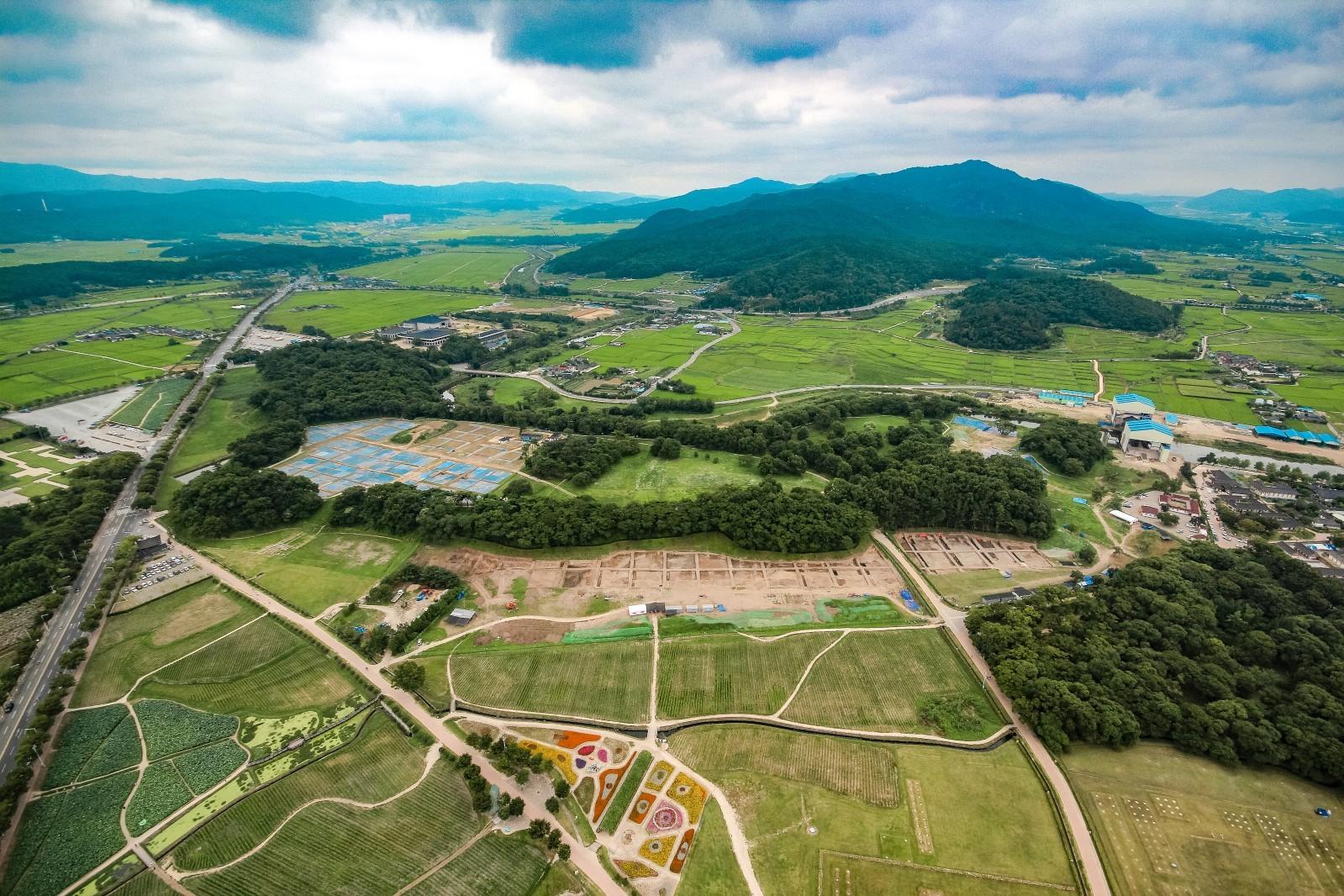
The capital city where the Silla palace once stood, Wolseong in Gyeongju, is a popular nighttime attraction, along with Donggung Palace and Wolji Pond. According to the Samguk Sagi, there is a record stating that it was constructed in 101 AD (the 22nd year of King Pasa's reign), which suggests that the capital was moved from Geumseong to Wolseong at that time. During the reign of King Munmu, the area around Anapji Pond, Imhaejeon Hall, and Cheomseongdae Observatory was incorporated, expanding the scale of the fortress. This site, which served as the royal palace for successive Silla kings until the kingdom's fall in 935, was called "Banwolseong" or "Sinwolseong" because the fortress was shaped like a half-moon. It was also referred to as "Jaeseong," meaning "the fortress where the king resides. " Except for the southern side, which is bordered by cliffs, the eastern, western, and northern sides of the fortress were constructed with earth and stone. Below the fortress walls, there was a defensive moat, an artificially dug trench around the fortress filled with water to prevent enemy invasions. Originally, there were several gates, pavilions, and government buildings, but most of these have disappeared. Today, only the site of the gate that led to Donggung Palace and Wolji Pond, along with the stone ice storage (Seokbinggo) that was relocated from the western side of Wolseong, remains. Photo Credit: Provided by Gyeongju Culture and Tourism Website
Official information ↗