Ganggyeong Modern Street, Nonsan
40-2, Ongnyeobong-ro, Ganggyeong-eup, Nonsan-si, Chungcheongnam-doSite details
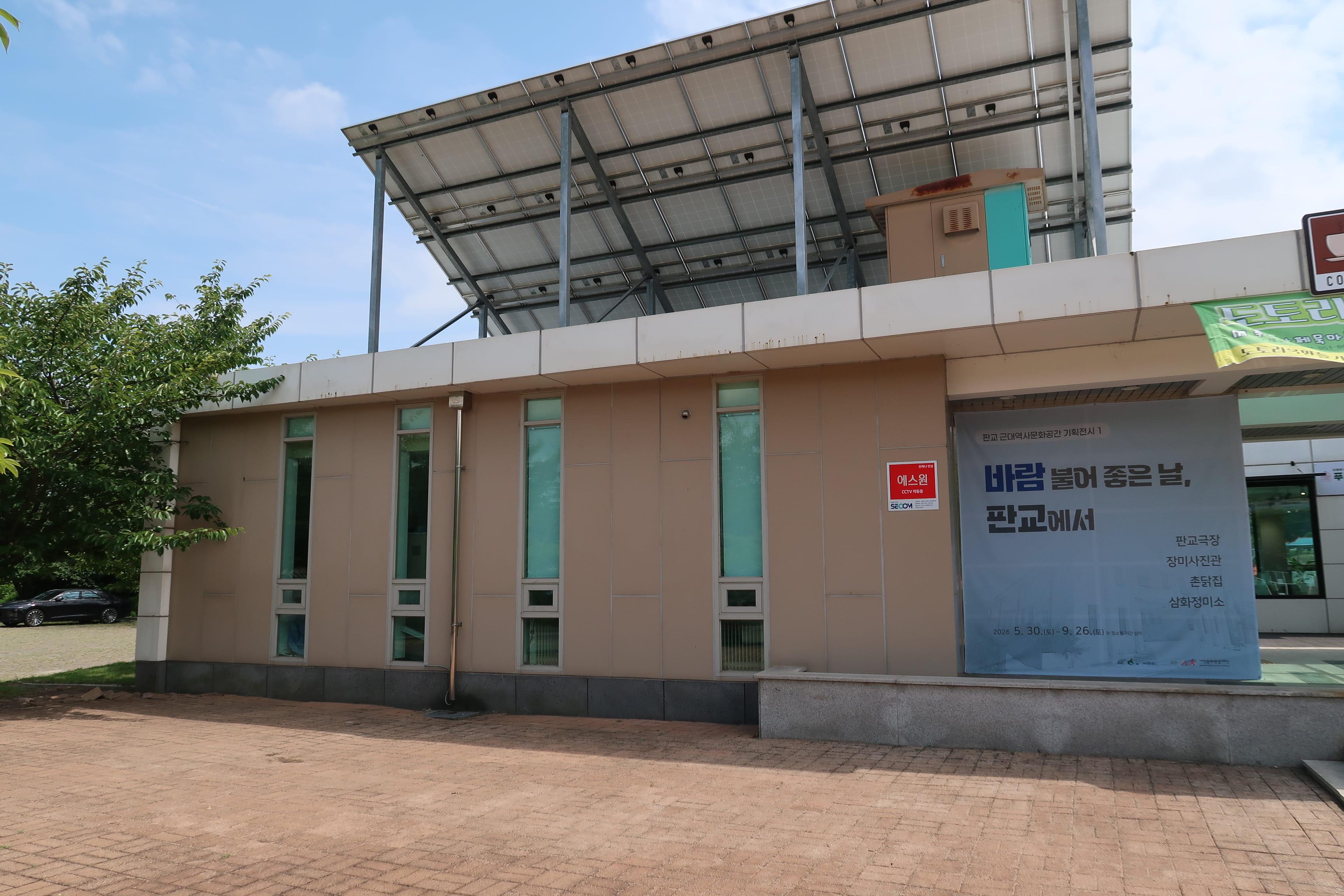
Ganggyeong was recognized in the late Joseon period as one of the nation’s three major markets, along with Wonsan and Daegu. It was an inland commercial port town where goods were transported along the Geumgang River. Long known for its prosperity, the area’s scenery and customs are said to have captivated Yi Jung-hwan, the author of Taengniji (Ecological Guide to Korea), to such a degree that he stayed here while writing the book. During the Japanese colonial period, modern-era culture flourished in Ganggyeong as financial institutions and commercial facilities clustered in the area, including the Ganggyeong Branch of the Hanho Agricultural and Industrial Bank (now the Ganggyeong History Museum). Old bank buildings, shop-houses, and other modern-era structures can still be found around Ongnyeobong Peak. Together with the Ganggyeong Jeotgal Market, famous for its salt-fermented seafood, these sites offer visitors a glimpse into the layered history that have shaped Ganggyeong as a commercial town from the late Joseon to the modern era.
Official information ↗