History and Culture District of Gunsan
240 Haemang-ro and vicinity, Gunsan-si, Jeollabuk-doSite details
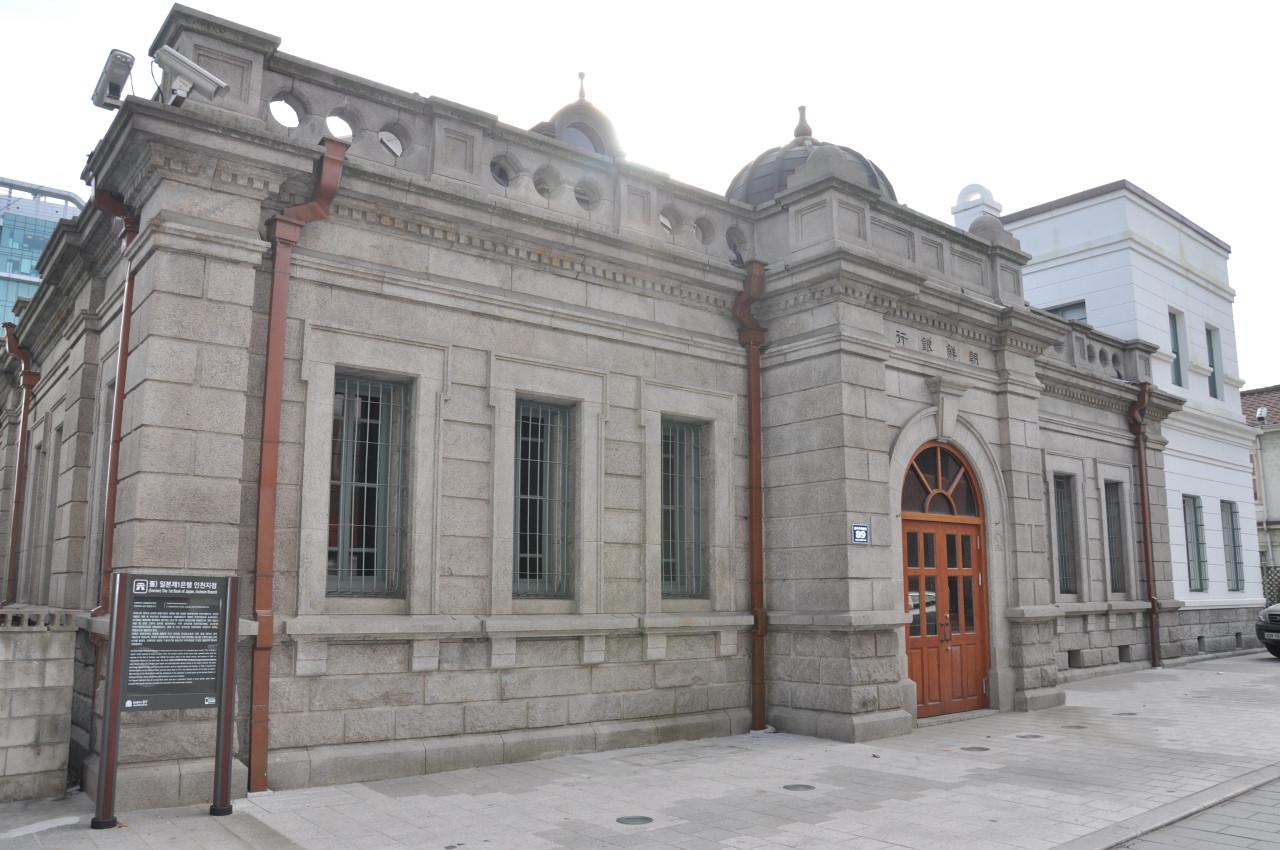
After the Korean Empire opened its ports in 1899, the area surrounding Gunsan’s inner harbor quickly developed into a modern port city. Foreign settlements were established here around the Former Gunsan Customs House Main Building, and the city became one of the principal ports through which rice harvested from the lowlands of Jeolla-do Province was shipped to Japan as part of the colonial exploitation of Korea. Remnants of the old port facilities still survive today, including the Floating Dock in Gunsan Inner Harbor, which rises and falls with the tides. There are also retaining walls and railway tracks. In the Jangmi-dong area, visitors can find a cluster of modern-era financial and customs-related buildings, such as the red-brick Former Gunsan Customs House Main Building, the Former Gunsan Branch of the Bank of Joseon (now used as the Modern Art Museum), and the Former Gunsan Branch of the Japanese 18th Bank. To the east, in Sinheung-dong, stands a Japanese-style house formerly known as the Hirotsu House. Built in what was an affluent residential neighborhood during the Japanese colonial era, the house remains close to its original form and has been widely used as a filming location, including for The General’s Son. Starting from the Gunsan Modern History Museum, visitors can explore the Modern Architecture Hall, the Modern Art Museum, and Jinpo Marine Theme Park on foot to gain a broader understanding of Gunsan’s history as a modern port city shaped by the opening of its port, colonial exploitation, and industrialization.
Official information ↗