Seongnyugul Cave, Uljin
221 Seongnyugul-ro, Geunnam-myeon, Uljin-gun, Gyeongsangbuk-doSite details
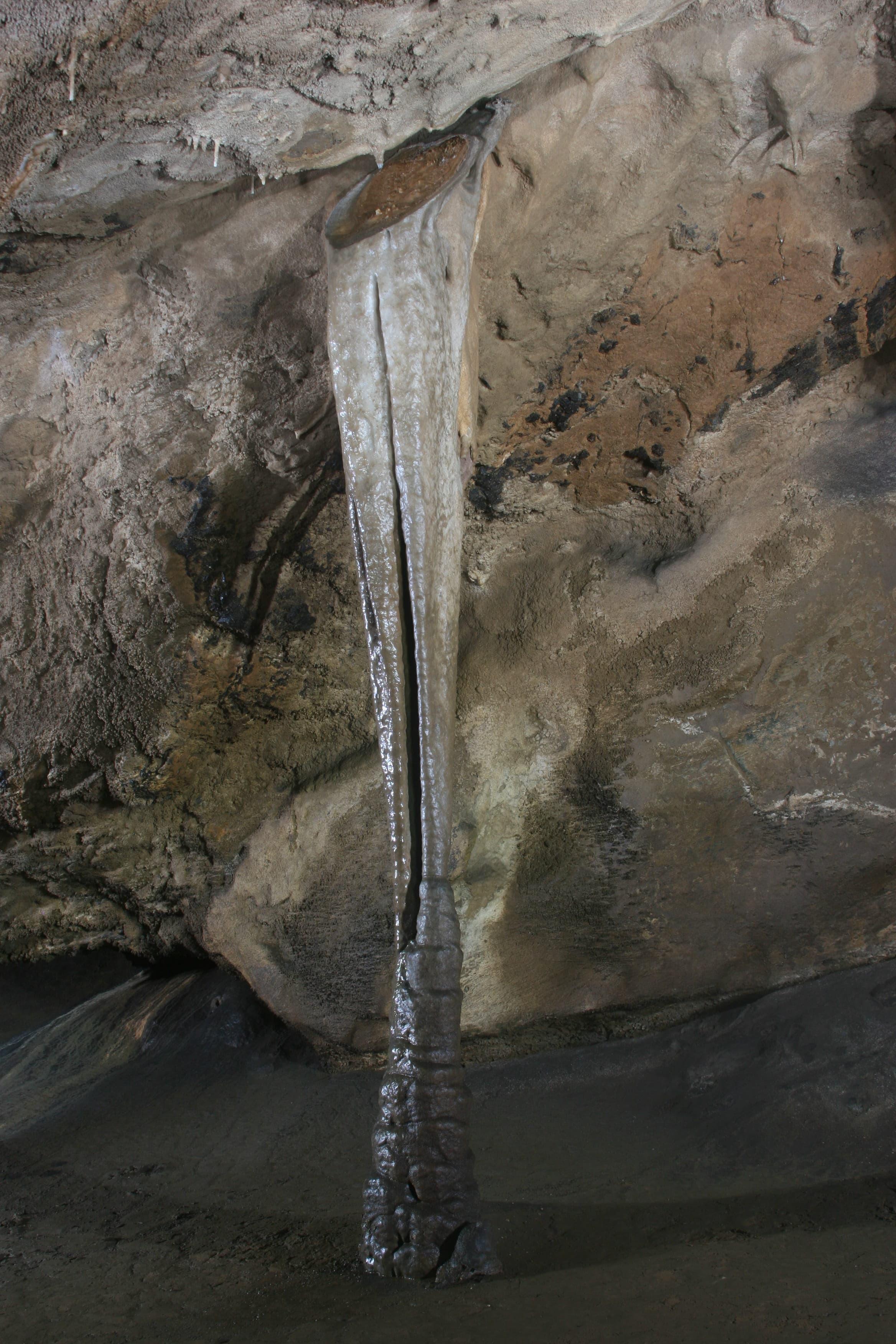
Seongnyugul Cave is a limestone cave located at the base of a vertical cliff beside Wangpicheon Stream. The cave has two entrances. Entrance 1 currently serves as the entrance and exit point for visitors, while Entrance 2 connects to a closed section near Chamber 8 inside the cave. Designated as a Natural Monument in 1963, Seongnyugul Cave was opened to the public in 1967, becoming Korea's first cave opened to the public for tourism. The name of the cave is said to be associated with Crown Prince Bocheon, the eldest son of King Sinmun, the thirty-first ruler of the Silla Kingdom. It means “the cave where a sage stayed. ” Another story holds that the name derives from the fact that Buddhist statues from a temple were hidden here for safekeeping during the Japanese Invasions of Korea, leading the cave to be known as “the cave where sacred Buddhist images were kept. ” Of the cave’s total length of about 870 meters, approximately 270 meters are open to the public. Several lakes of varying sizes are distributed throughout the cave. Because water from Wangpicheon Stream enters through the lower part of the cave entrance and connects to the lakes inside, the lakes most strongly affected by the stream tend to have relatively higher internal temperatures in summer. Fish that entered via Wangpicheon Stream still inhabit Lake No. 2 in Chamber 5. During a scientific study in 2007, an underwater passage measuring about 85 meters long was confirmed, the longest in Korea. Cave formations that cannot form underwater, such as stalactites, stalagmites, and columns, were also discovered there, indicating that they formed during an ice age when sea levels were lower. As such, the cave has significant academic value for estimating changes in sea levels around the Korean Peninsula and reconstructing past climatic conditions. More recently, inscriptions were found carved into cave formations and limestone walls inside the cave that reveal that Seongnyugul Cave was used as a training place for the hwarangdo (groups of elite youths from the Silla Kingdom who followed a unique military and philosophical code), and that King Jinheung also visited the site.
Official information ↗