Hapcheon Haeinsa Temple
122 Haeinsa-gil, Gaya-myeon, Hapcheon-gun, Gyeongsangnam-doSite details
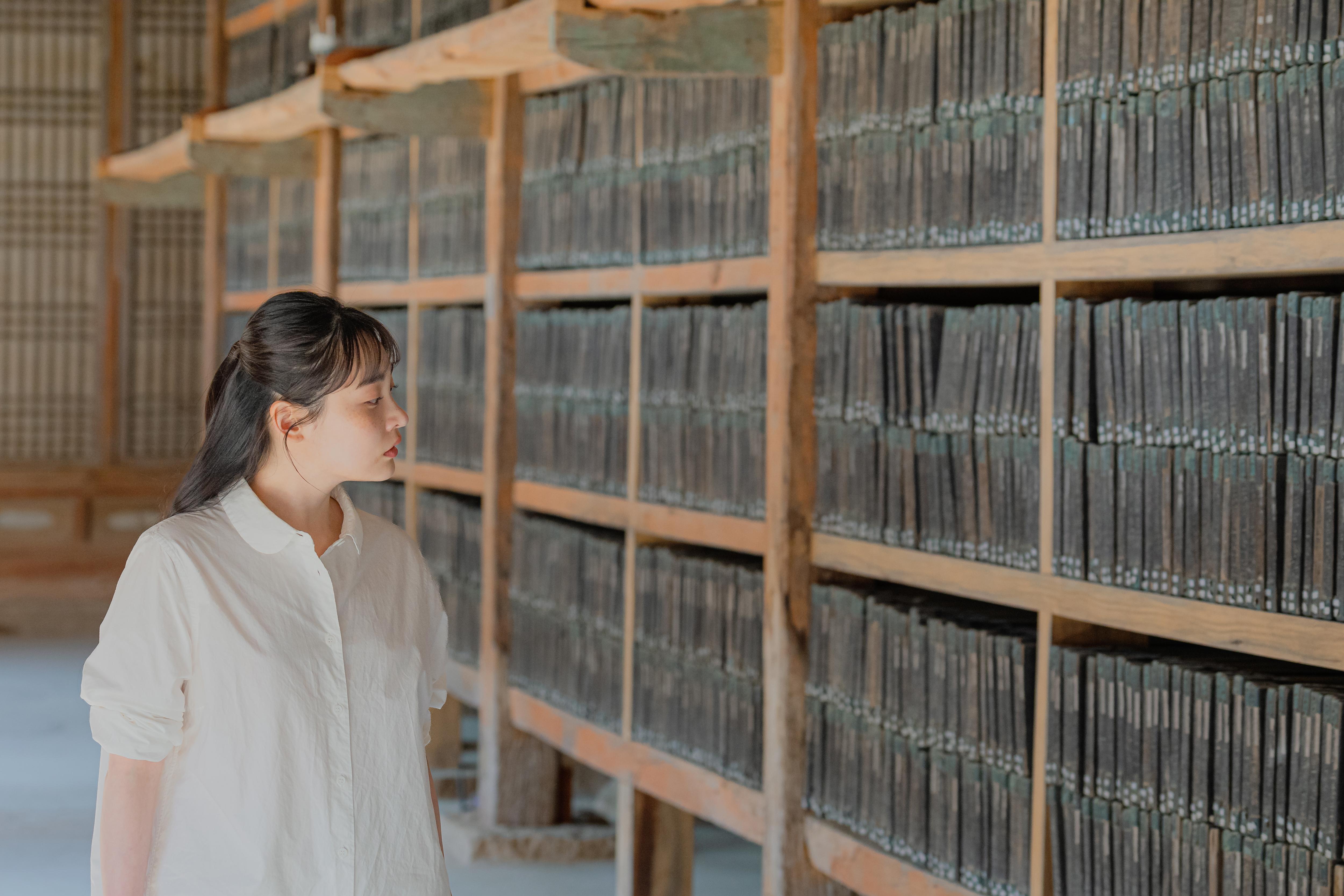
Located on the southwest side of the picturesque Gayasan Mountain, Haeinsa Temple was founded in 802 AD (3rd year of King Aejang) by Venerable Suneung and Venerable Ijeong, disciples of the Silla monk, Uisang. In the early Joseon Dynasty, the Tripitaka Koreana was moved to Haeinsa, establishing the temple as a Dharma treasure temple enshrining the teachings of Buddha. Haeinsa houses many precious heritages, including the Tripitaka Koreana, the oldest and most complete existing version of the Buddhist canon, recognized as a UNESCO Memory of the World, and Janggyeong Panjeon, the world's only structure built specifically to store the Tripitaka woodblocks. Tripitaka Koreana at Haeinsa Temple: The Tripitaka refers to the Buddhist scriptures consisting of three sections: Sutra (teachings), Vinaya (discipline), and Abhidharma (discourse). It is also called the Goryeo Tripitaka, as it was produced during the Goryeo Dynasty, and the Tripitaka Koreana, as it contains approximately 84,000 teachings corresponding to the 84,000 delusions. The woodblocks number around 80,000, thus it is also known as the "Eighty-Thousand Tripitaka. " Janggyeong Panjeon at Haeinsa Temple: This structure houses the eighty thousand woodblocks of the Tripitaka Koreana and is the oldest surviving building in Haeinsa. Nestled deep in the mountains, it was untouched during the Imjin War, preserving its original state. This 15th-century architectural marvel is the world's only building designed to store the Tripitaka woodblocks and was designated a UNESCO World Heritage Site in December 1995.
Official information ↗