Daeheungsa Temple, Haenam
400 Daeheungsa-gil, Samsan-myeon, Haenam-gun, Jeollanam-doSite details
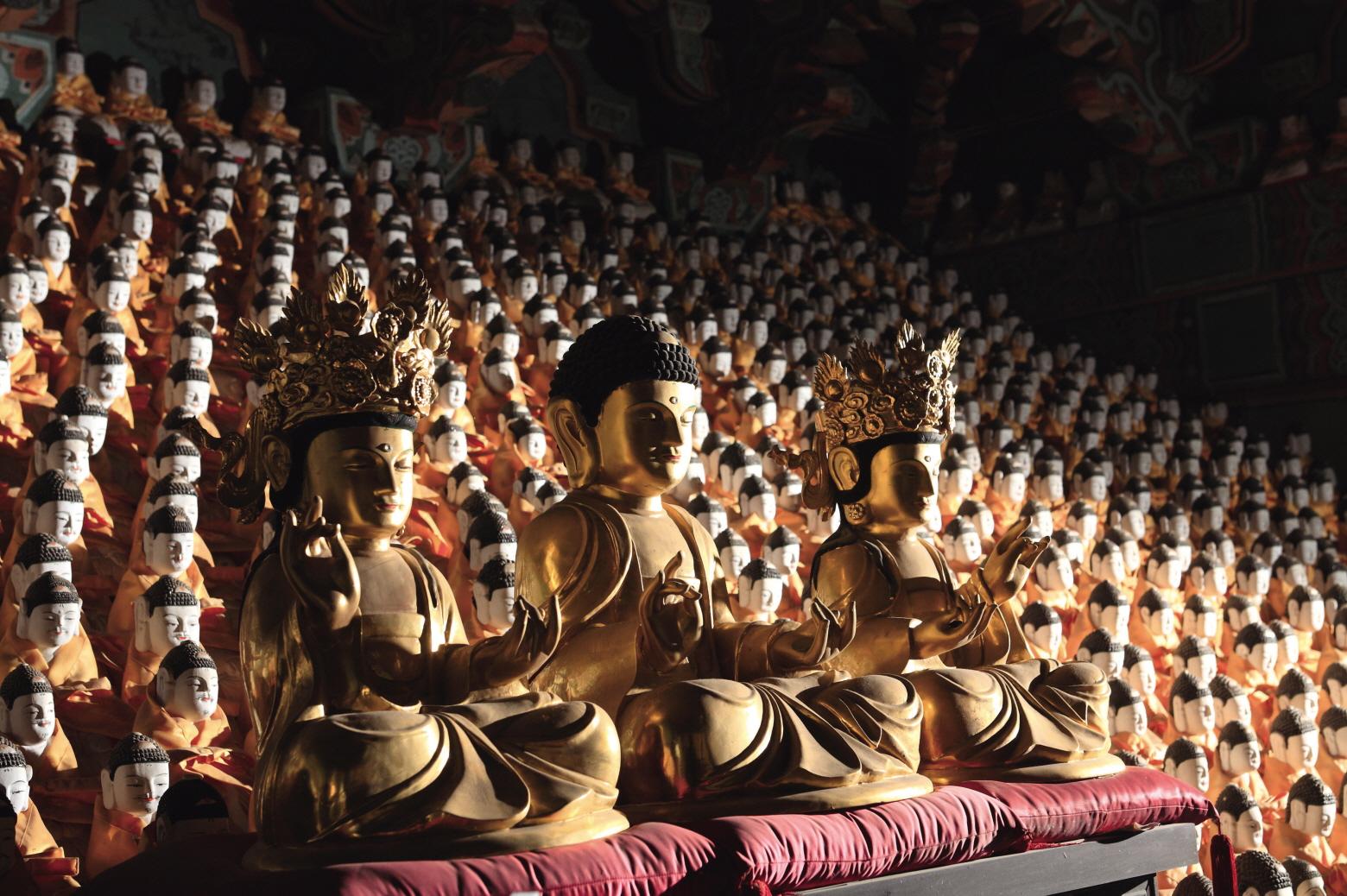
Nestled in the scenic Duryunsan Mountain, Daeheungsa Temple is a representative temple of national defense, where Seosan Daesa (Great Master Seosan) raised a monk army to repel Japanese invaders during the Imjin War. The temple holds Seosan Daesa’s robe and offering bowl, symbolizing his legacy. The Pyochungsa Shrine within the temple grounds, dedicated to Seosan Daesa and his disciples, was conferred its name by King Jeongjo and stands as a symbol of national defense spirit. The construction of a Confucian-style shrine within the temple grounds is exceedingly rare. Additionally, Iljiam Hermitage, where Monk Choui, who elevated the status of tea through the ‘Dongdasong’ (Eastern Tea Hymn), resided. Monk Choui's interactions with Chusa Kim Jeong-hui and Dasan Jeong Yak-yong are well-known for transcending the boundaries between Buddhism and Confucianism, as well as between the monastic and lay communities. The temple holds significant cultural heritages such as the Seosan Daesa Pagoda, Seosan Daesa Relics, and Bukmireukam Rock-carved Seated Buddha. Seosan Daesa Pagoda at Daeheungsa Temple: Located within the stupa hall at the temple entrance, this octagonal stone pagoda features unique decorative elements not found in other pagodas, making it a significant subject of study. The relics of Seosan Daesa include two items: the royal appointment of Seosan Daesa as the chief commander of monk soldiers (Dochongseop) by King Seonjo during the Imjin War, and the inscription by King Jeongjo honoring Seosan Daesa's loyalty, known as Seosan Daesa Hwaseongdangmyeong. When the Imjin War broke out in the 25th year of King Seonjo's reign (1592), Seosan Daesa received a special royal order and was appointed as the chief commander of monk soldiers for all eight provinces. Despite being 73 years old, he issued a nationwide proclamation and mobilized 1,500 monk soldiers, playing a significant role in the war. In 1794, when Seosan Daesa's portrait was enshrined at Daeheungsa Temple in Haenam, King Jeongjo personally wrote the Seosan Daesa Hwasangdangmyeong and its preface and sent it to Daeheungsa. The content is written on light yellow silk adorned with floral and cloud patterns, and it bears King Jeongjo's seal, 'Hongjae,' symbolizing his authorship. The text commemorates Seosan Daesa's loyalty and patriotic spirit. Bukmireukam Rock-carved Seated Buddha at Daeheungsa Temple: This high-relief carving on a rock face depicts a unique image of a seated Buddha with a gesture of calling the Earth to witness (Bhumisparsha mudra), accompanied by offering figures. The statue is notable for its large size and elegant sculpting technique, making it a rare and outstanding exampleAMong Korean rock-carved Buddhas.
Official information ↗