Geomunoreum Volcanic Cone in Seonheul-ri, Jeju
San 102-1, Seonheul-ri, Jocheon-eup, Jeju-si, Jeju-doSite details
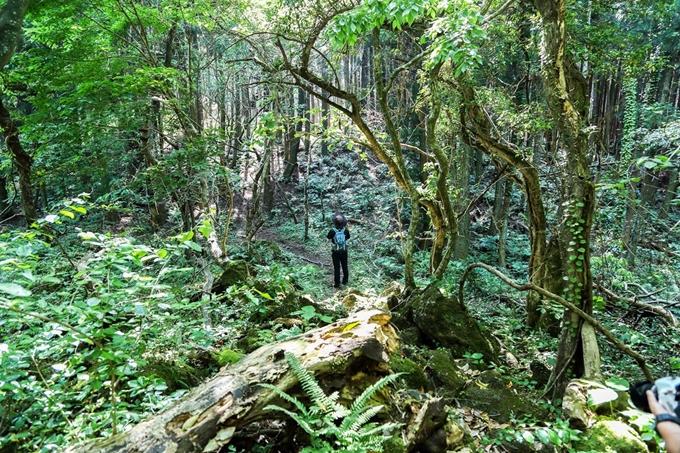
Oreum refers to a parasitic volcano on the slopes of Hallasan. Among the 360 or so parasitic cones in Jeju, Geomunoreum is the only one listed as a World Natural Heritage site. The name "Geomunoreum" means "Black Mountain," which reflects the dense forest covering the volcano, giving it a black appearance. The name also carries the meaning of "Sacred Mountain. " The oreum at an elevation of 456 meters, where a cool breeze lingers even during the day due to the wind holes, has a horseshoe shape. From the summit, the volcanic crater can be seen at a glance. Within the crater, there are small peaks and a Gotjawal forest. Gotjawal is a forest formed in areas where rocks are irregularly scattered, maintaining a unique ecosystem. The lava flow that emerged from here traveled down the slopes to the coastline, creating lava tubes known as the 'Geomunoreum Lava Tube System. ' This includes Manjanggul, Gimnyeonggul, Yongcheondonggul, and Dangcheomuldonggul caves. The lava tubes developed around the oreum are of global scale and length, with well-preserved unique ecosystems, making them of high value as natural heritage. Additionally, remnants such as tunnels built by the Japanese military during the Pacific War and charcoal kilns that reflect the lives of Jeju residents remain, making this area a site for historical exploration as well. The Geomunoreum and its lava tube system hold significant geological, biological, and modern historical value. As a result, it was designated as Natural Monument No. 444 in 2005 and was inscribed as a UNESCO World Natural Heritage site in June 2007.
Official information ↗