Changdeokgung Palace
99 Yulgok-ro, Jongno-gu, SeoulSite details
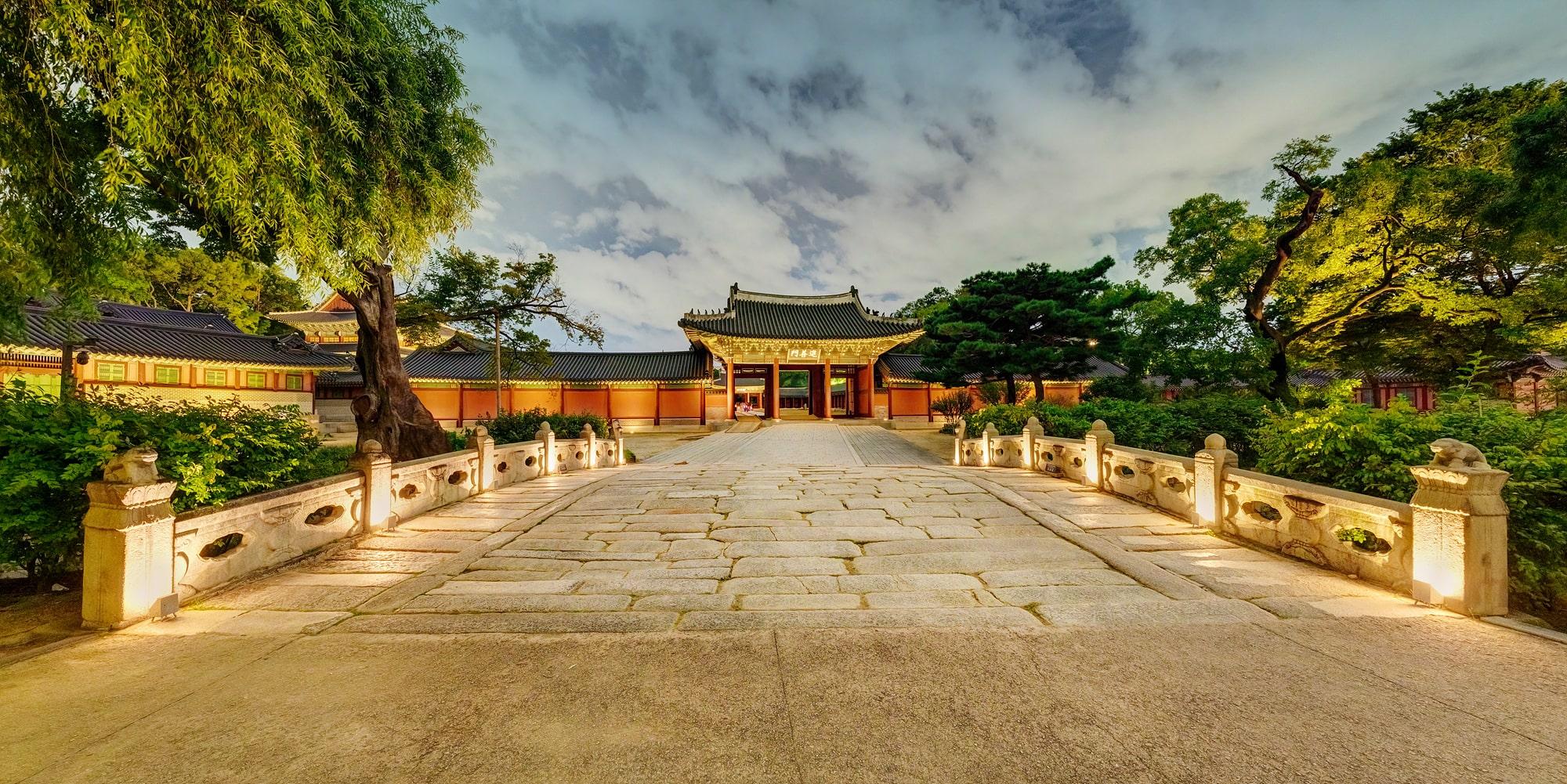
Built in 1405 (the 5th year of King Taejong's reign), Changdeokgung is a secondary palace of the Joseon Dynasty. Although it was destroyed by fire during the Japanese invasions of Korea (Imjin War), along with Gyeongbokgung and Changgyeonggung, it was the first to be rebuilt. Until Gyeongbokgung was reconstructed, Changdeokgung served as the central palace of Joseon. Unlike the buildings of Gyeongbokgung, which were constructed in a straight and orderly fashion, Changdeokgung was built freely, adapting to the natural terrain with each structure taking on a unique form. Notably, the royal garden, known as Huwon, preserves the natural landscape so authentically that even the man-made structures blend seamlessly into the forest. This reflects the distinctive Korean sentiment and culture that values harmony with nature. Changdeokgung Palace is divided into two main areas: the Outer Hall (Oejeon), where the king and his officials conducted state affairs, and the Inner Hall (Naejeon), which served as the living quarters for the king and queen. The main gate of Changdeokgung, Donhwamun, marks the beginning of the Outer Hall and is the oldest building within the palace. Although it was destroyed during the Japanese invasions, it was rebuilt in 1609 (the first year of King Gwanghaegun's reign). Changdeokgung Injeongjeon (National Treasure), which carries the meaning of "implementing virtuous governance," was the site of significant state ceremonies such as the king's enthronement, royal weddings, the crown prince's investiture, and the reception of foreign envoys. While the building appears to be two stories from the outside, the interior is actually a single space featuring a beautiful ceiling and the impressive Ilwolobongdo screen (a painting of the sun, moon, and five peaks). As you follow the wall that borders Changgyeonggung Palace, you will arrive at Buyongji, located at the entrance to the Huwon, or Secret Garden, of Changdeokgung. This is the largest pond within Changdeokgung, and it is home to Buyongjeong Pavilion. This unique structure, with its simple design on the north side and more elaborate design on the south side, is considered one of the finest examples of Korean pavilion architecture. On the hill opposite Buyongji Pond stands Juhapru, a two-story pavilion in Changdeokgung Palace. Built in 1776, the first year of King Jeongjo's reign, Juhapru was a place for scholarly study. The first floor housed the royal library, known as Gyujanggak, which stored important royal books, while the second floor served as a reading room with panoramic views of the surrounding scenery. Changdeokgung Donhwamun: Serving as the main gate of Changdeokgung Palace, the name "Donhwa" is derived from a phrase in the Confucian text "Zhongyong," meaning "the king, with great virtue, thoroughly educates and reforms the people. " Donhwamun is the oldest wooden palace gate still in existence in Korea. It was originally built in May 1412 and was later restored in 1609, during the first year of King Gwanghaegun's reign. Changdeokgung Injeongjeon: Injeongjeon is the main hall of Changdeokgung Palace, with "Injeong" meaning "benevolent governance. " Injeongjeon serves as the throne hall (Beopjeon) of Changdeokgung, where important state ceremonies were conducted. Changdeokgung Buyongjeong: Buyongjeong Pavilion is located on the southern edge of Buyongji, a square pond that is one of the main features of the Huwon (Secret Garden) in Changdeokgung Palace. According to palace records, a structure named Taeksujae was originally built on this site in 1707 (the 33rd year of King Sukjong's reign). During the reign of King Jeongjo, it was renovated and renamed "Buyongjeong" (芙蓉亭). Changdeokgung Juhapru: Located in the northern part of the Huwon (Secret Garden) in Changdeokgung Palace, Juhapru is a two-story building constructed in 1776, the year King Jeongjo ascended the throne. It was built to store the royal writings and calligraphy (Eoje and Eopil) of King Jeongjo. Juhapru served as a crucial space for the development of King Jeongjo's policies, reform efforts, and as a center for the cultural renaissance during the mid-Joseon period. It was an important venue where various scholars and talented individuals were active, and it housed royal writings, portraits, and seals.
Official information ↗